Get In Touch
By - Raghav Daksh
8/23/2025
23
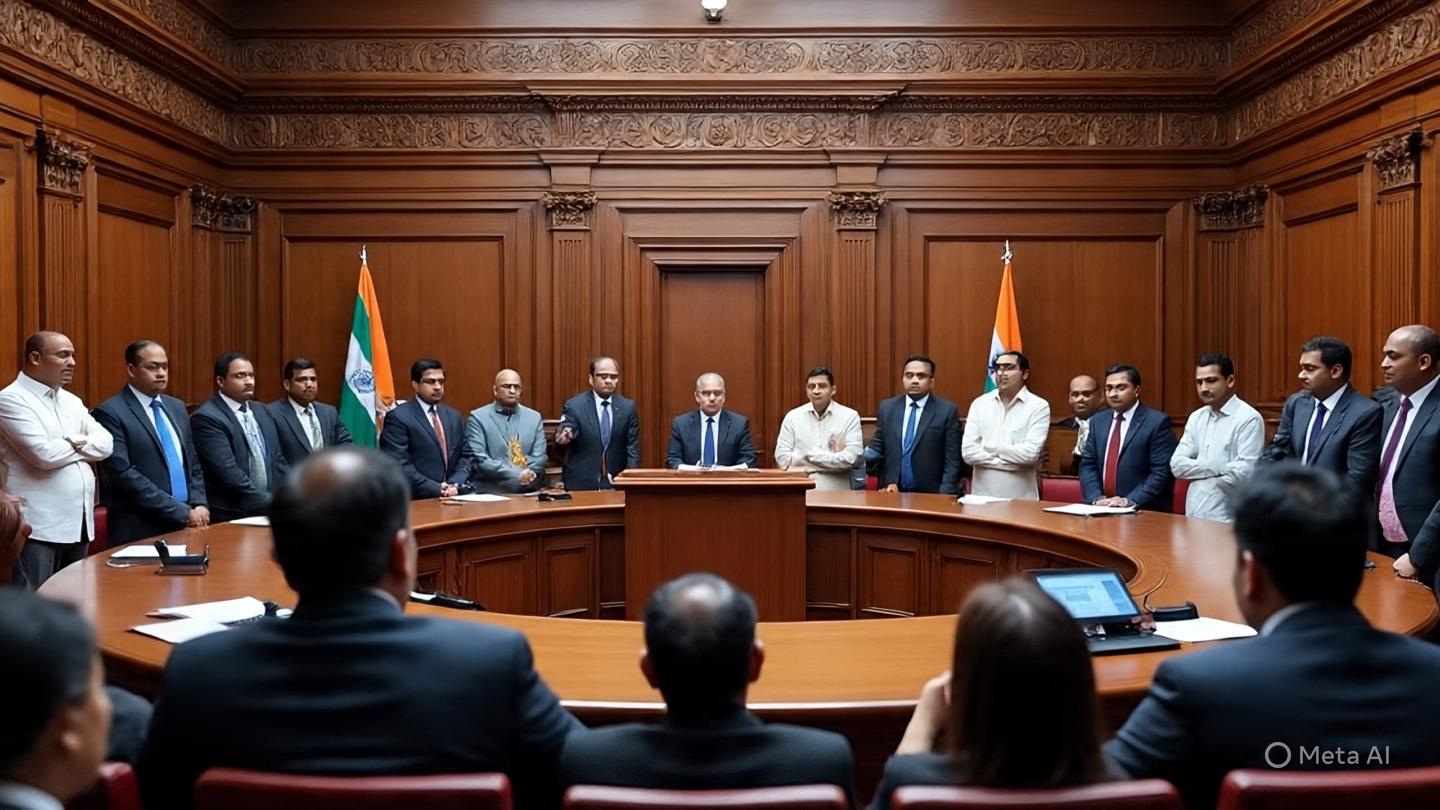
Have you ever wondered how the government in India makes decisions or creates new laws? Behind every big change you see—whether it’s a new rule, a protest, or an election—there’s a story about ordinary people, hope, struggles, and the power to make a difference. Let’s break down how our Parliament works, why every vote matters, and what makes laws fair (or sometimes, unpopular!).
Everyone Gets to Decide—That’s Democracy!
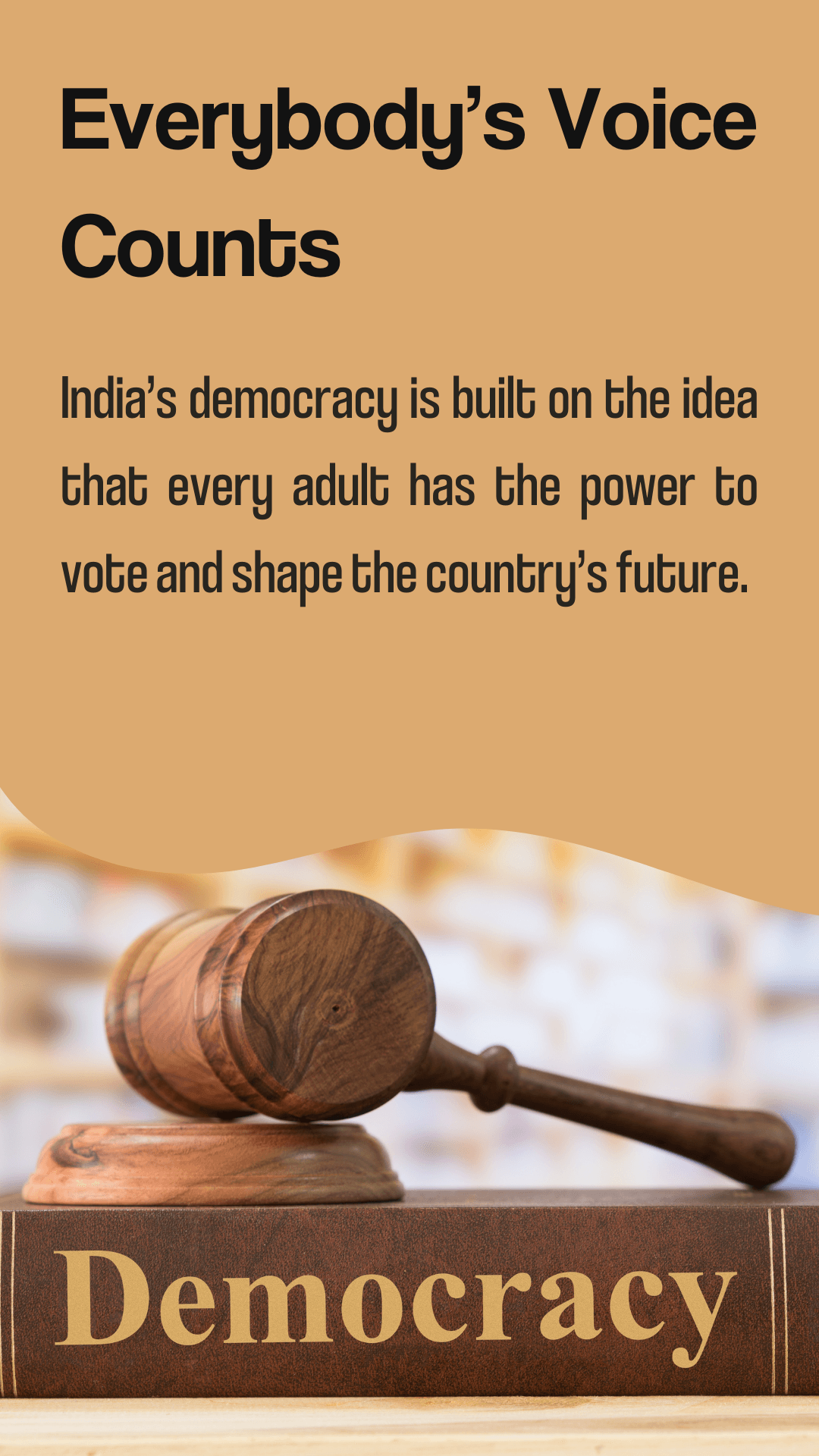
India’s journey as a democracy started the moment it became independent in 1947. The core idea was clear: every adult should have a say. Before independence, people lived under British rules they often disagreed with, and criticising the government came with risks. Freedom brought a promise—no matter your background, your voice would count through universal adult franchise (basically, every adult can vote).
Representatives: The People You Elect to Speak for You
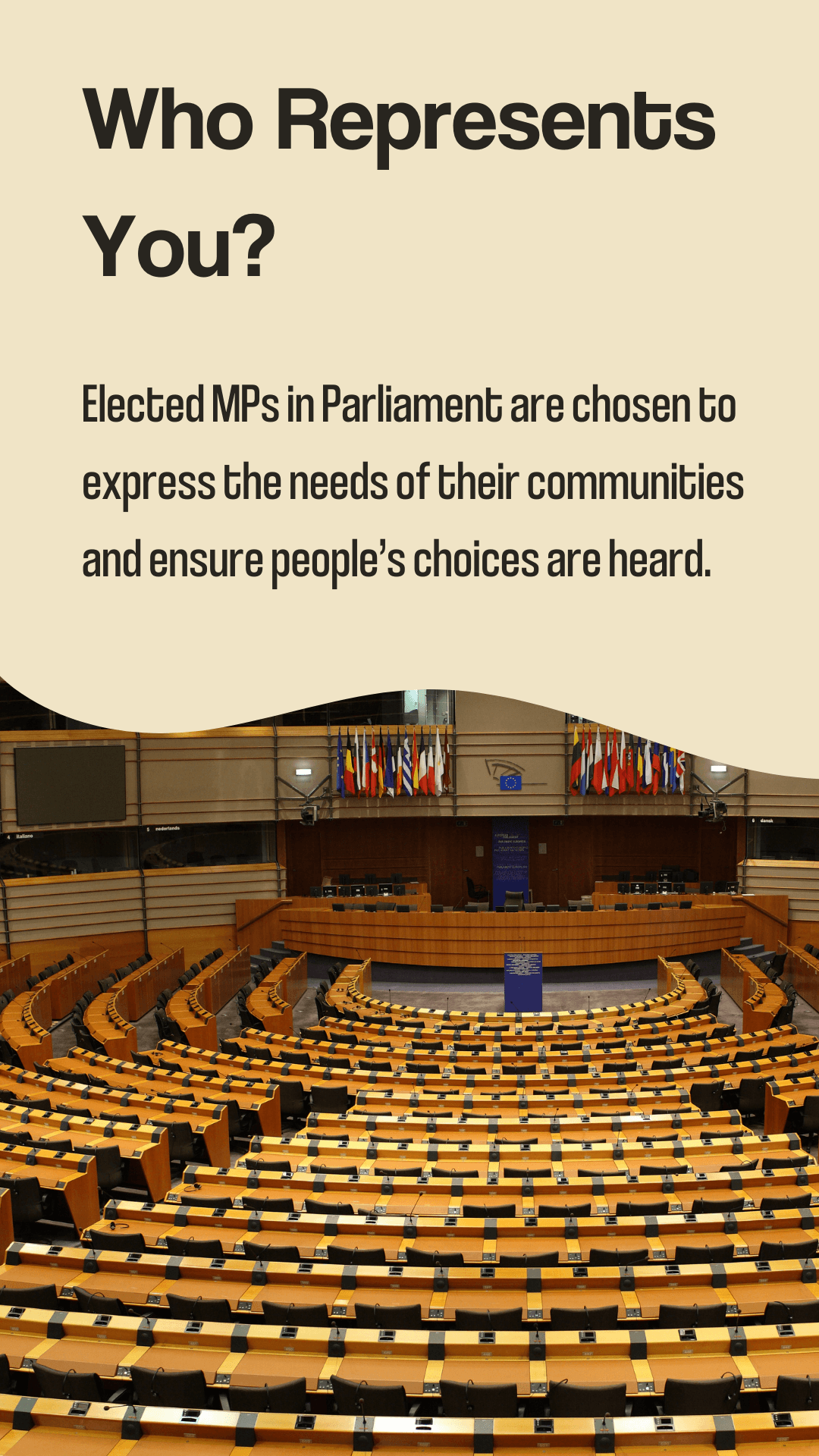
In a huge country like ours, not everyone can crowd into Parliament and decide every issue together. So, we have elections. Each area (called a “constituency”) picks one person—a representative—for the Parliament, and these MPs (Members of Parliament) become the voice of the people. The government can only claim to be democratic if it earns and keeps the trust of its citizens.
What Exactly Does Parliament Do?
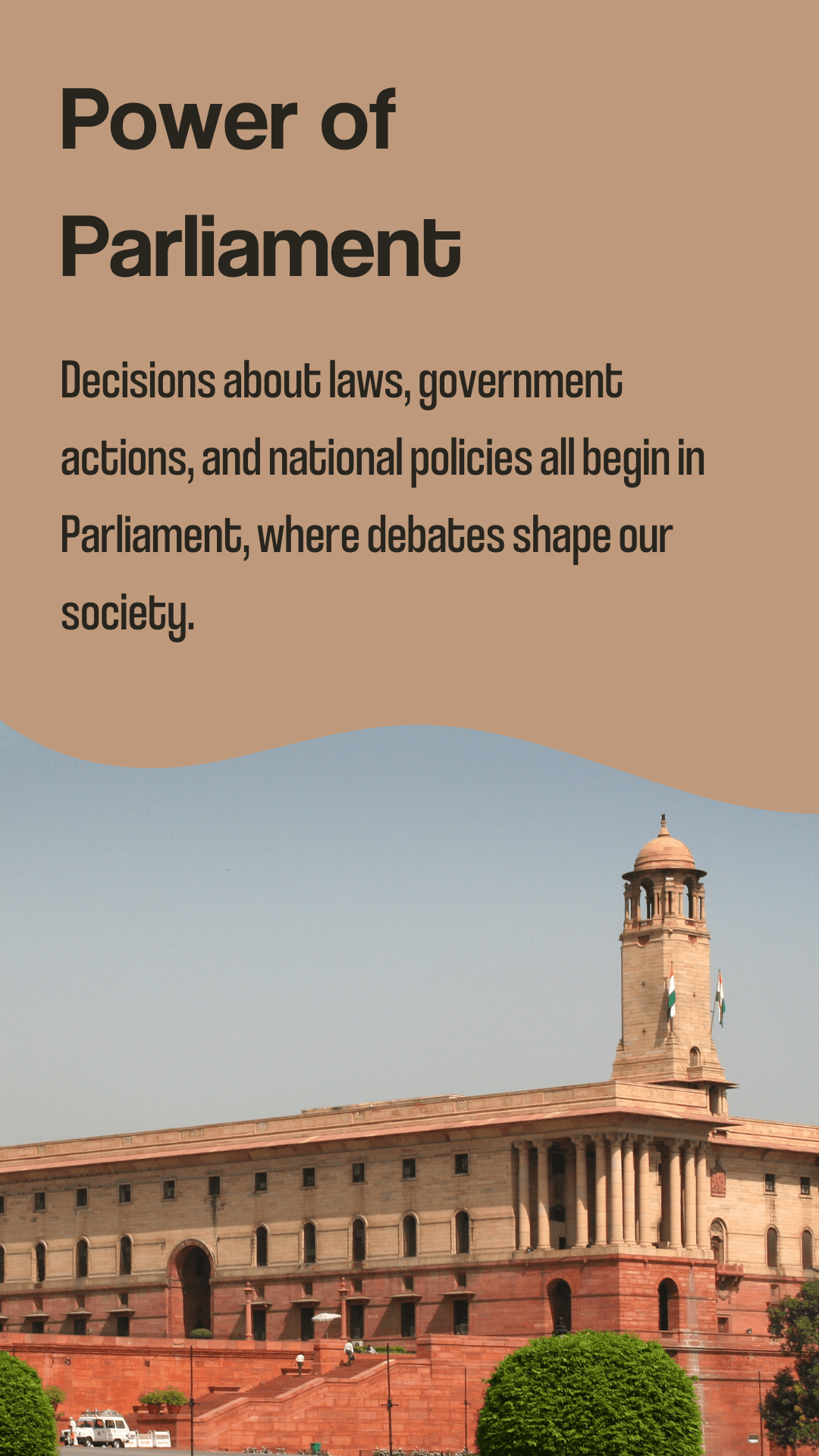
If you think Parliament just sits around talking, think again! Here’s why it’s so crucial:
Making the Government: After elections, the party (or group of parties) with the most members in the Lok Sabha usually forms the government. The Prime Minister leads this team and picks ministers for various jobs—from handling health to managing finances.
Questioning the Government: When Parliament is in session, MPs get a special “Question Hour” to grill the government! Whether it’s about children’s welfare or train connections, this keeps the government awake and aware.
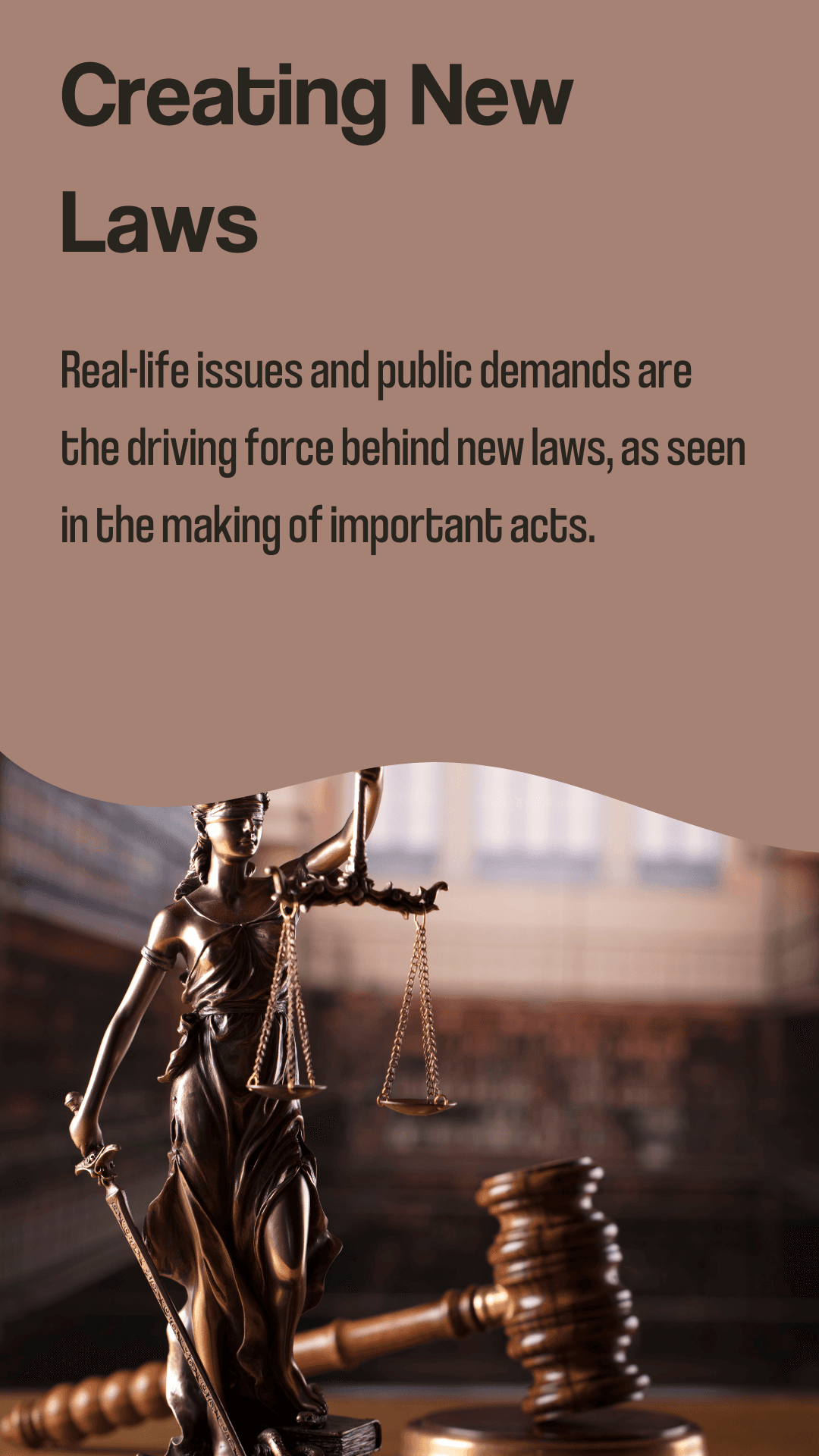
Creating New Laws: Big problems need big solutions. Parliament listens to citizens and groups, debates ideas, and finally turns those ideas into official laws.
How a Law Is Born: The Domestic Violence Example
Laws aren’t just written overnight in secret meetings. Take the Protection of Women from Domestic Violence Act, 2005. It started because real women faced abuse and needed better options. Through meetings, petitions, and public debates, activists and lawyers shaped the law’s details—so it protected not just wives, but any woman living in a shared household. Even after Parliament first rejected their ideas, determined people lobbied, protested, and pushed for real change. Finally, the law was passed, giving women their right to safer, violence-free homes.
When Laws Go Wrong: The Power of Protest
Not every law makes everyone happy. Sometimes, rules about things like street vending are legal but ignore the needs of poor workers. That’s when citizens step up—holding protests, writing in newspapers, even going to court. In a democracy, the fight doesn’t end after an election; people use every tool possible to challenge, change, or scrap unfair laws.
Your Role in Indian Democracy
As citizens, your job isn’t only to vote once every five years. Read the news, ask questions, speak out—Parliament depends on your involvement to stay honest and effective. When many people demand change, even the toughest laws can be fixed!


Check out our other posts!
CBSE 2026: 10 Changes You Must Know
26
- Apeksha Negi
10 Reforms & What They Mean for Your Child’s Future

Tech Meets the Tractor
11
- Raghav Daksh
How smart tools are quietly changing the lives of small and big farmers.
British Rule & India’s Farm Shift
14
- Raghav Daksh
From Food Security to Cash Crops: The Lasting Impact of British Rule on Indian Farmers.
British Impact on India
46
- Raghav Daksh
From trade to empire: The story of how Britain reshaped India’s destiny
.jpg&w=640&q=75)
How Governance Begins With Us
822
- Raghav Daksh
Understanding how rules, rights, and representation keep our society balanced

 +91 7389453300
 @paathshala.app
 +91 7389453300